

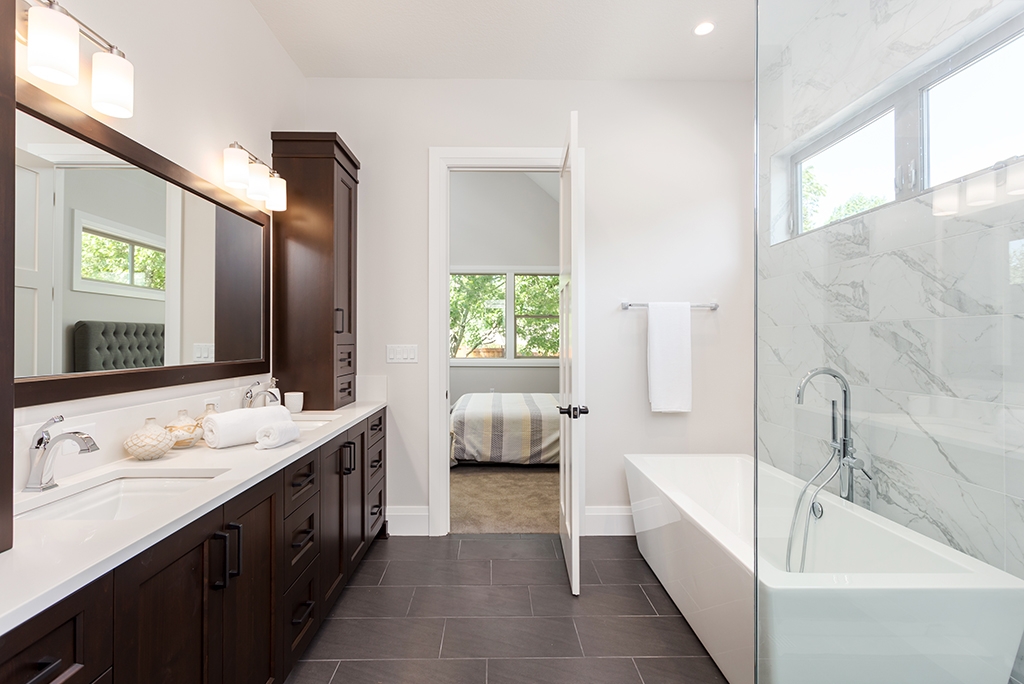
What is the Most Expensive Part of a Bathroom Remodel?
Remodeling any part of your home is a big decision. You’ve probably spent years in that familiar room, and now it may be time to bid goodbye to the old interior.
Now, we get that there’s a lot of expectations regarding the outcome of a bathroom remodeling project. But besides the emotional investment, there’s a substantial financial investment involved too. And you can’t just make a go for it before knowing what to expect.
So, let’s talk about money. The average cost to remodel a house is around $20,000 to $30,000. While it may seem like a significant amount, the return on investment makes it worth it. Out of this average cost, the cost is further broken down based on different rooms. For instance, the average cost of a bathroom remodel is anywhere between $5,578 to $15,138. That’s to say that bathrooms are typically more expensive than other parts of the house. Why? Blame the plumbing. Remodeling the bathroom requires extensive plumbing work, and that tends to drive up to costs.
Now, just like the cost, the ROI on all these rooms differs too. One has to consider the increase in resale value that comes with some of these rooms before making a decision. In case of a remodeled bathroom, the average ROI is said to be at least 65% — that is after you have already spent years in it with your family.
But the question is: What drives up all these costs in a bathroom? When you understand that, you can find ways to minimize changes there and cut corners.
The Most Expensive Part Of A Bathroom Remodel
While remodeling your bathroom, it’s important to remember that no two things will cost the same, for obvious reasons. For instance, the cost to replace your vanity will be vastly different than the cost to replace your shower or bathtub. With such different values, how can you plan a budget? Hence why, people start by factoring in the most expensive aspects of a bathroom remodel. In most bathrooms, it’s actually labor costs.
Labor can cost around 20% of the total budget. Based on the project, contractors can charge anywhere between $40 to $100 an hour. Whether it is the plumbing or tile work, installation and labor charges eat up most of your budget. Since labor costs aren’t limited to a single aspect of your bathroom, the cost associated with different elements differs as well. For example, a plumber might charge you between $40 to $150 for an hour while an electrician will charge around $40 to $100 an hour. You will need to hire various general contractors, plumbers, electricians, painters, and even drywall installers.
Thinking of DIY-ing it all to save costs? Stop. Remember the intricate plumbing work we’d mentioned earlier? Working with the plumbings and other fixtures is not an easy feat. It’s best if you hire a professional who has the experience to tackle a bathroom remodel. You don’t want to do a rickety job and ruin your new fixtures now, do you?
Now, let’s talk about tiles. This is one aspect some are able to DIY. This is because when you remodel your bathroom, you will probably redo the tiling of your entire bathroom. Even if you ignore the material costs, tiling requires a lot of labor hours. And if done correctly, tiling takes roughly two weeks from start to finish. The preparation work is typically four days, and the tile installation itself generally takes five days. If you have the necessary tools and experience with this kind of thing, you can give it a shot.
But hey, there’s more to a bathroom remodel than the labor cost. Your materials will end up costing you around 60% of your total budget too. For instance, the average price of a bathroom cabinet and its hardware is approximately $1,050 – $3,400, and the average cost for fixtures is around $1,000 – $3,200. These are the top 3 expensive parts of a bathroom remodel. Be aware that these are only national averages and real prices may differ based on what you choose. Your requirements will be different, and the cost can vary based on your unique requirements too.
What Are The Other Factors That Affect The Price?
Now that you’re aware of the most expensive part of a bathroom remodel, you should also know that you’re probably going to end up spending in the mentioned range. You should also know other factors that can drive up costs so that if needed, you can work around them or avoid them.
1. Moving Plumbing Fixtures
There’s a set layout in your bathroom, and if you wish to change the design, it will cost you money. And plumbing is a significant factor in determining the cost of a bathroom remodeling project. Moving fixtures like toilets, bathtubs, showers, and sinks can cost quite a bit. For instance, the average price of relocating a toilet or sinks can be $2,500-$3,500 per fixture.
2. Moving Walls
Walls are a significant factor when you’re remodeling a bathroom. You may choose to move a wall or alter it to improve the functional value or appeal of the bathroom. In most cases, it is often a necessity as it improves the overall footprint of the space, and the benefit it provides outweighs the cost. Speaking of cost, moving a wall can be as little as $2,000 or as high as $8,500.
3. Luxury Additions
Who can say no to some luxe in their bathroom space? While enchanting, luxury attachments and fixtures come with their price tag. Not only do the materials cost more than regular ones, but the cost of installing them is also higher. Luxury fixtures are more delicate than regular fixtures, and they require more time and precision. This will pile up on your labor costs as well.
4. Size Of The Bathroom
The size of your bathroom will affect the final estimate of your bathroom remodeling project. Typically, there are three variants; small, full, and master. If you’re remodeling a small bathroom, the average cost is around $2,500 to $10,000. The same costs $6,000 – $15,000 for a full bathroom and $10,000 – $30,000 for a master.
5. Other Factors
Even after all of these factors, there are some small and big elements that you should consider as a part of your budget before remodeling your bathroom. Factors like the quality of materials used, changes in the bathroom layout or hiring specialists like designers will make a difference in your final budget.
Conclusion
Now that you know about the most expensive part of a bathroom remodel, and the factors that affect the overall budget of your remodeling project, you should be able to make a more informed decision about such an essential aspect of your home remodel. If you need help financing the project, there are plenty of options available — start with what you need in your bathroom, make a budget according to it, and then think about your course of action.
Also Read: Government Programs that Pay You to Renovate Your Home